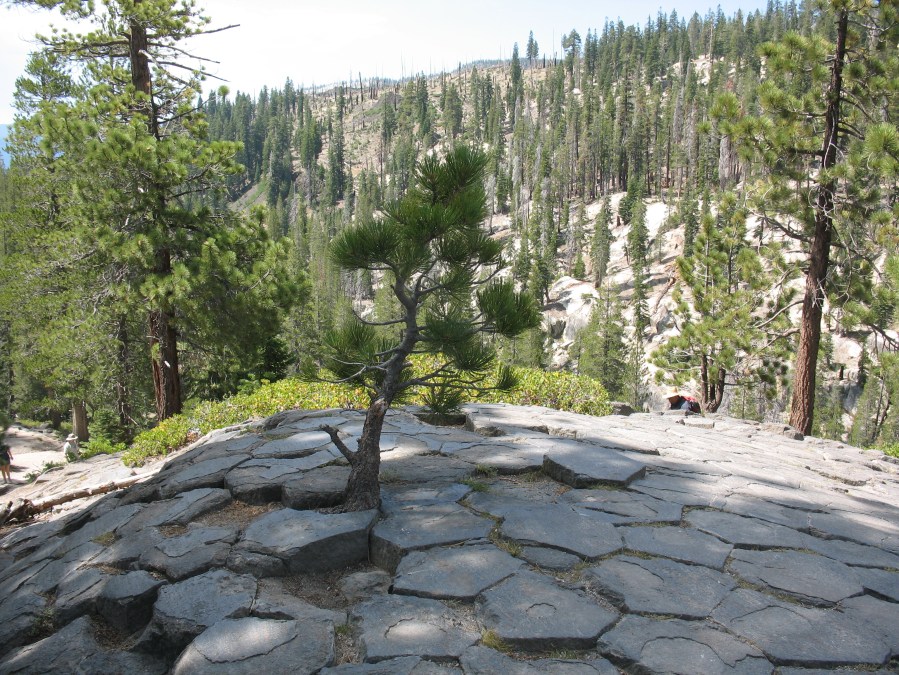
I learned that “shapes” are what are found in Nature; “designs” are what humans make, often mimicking that Nature.
“I think that I shall never see a Poem as lovely as a Tree” is a little snippet of poetry that I’ll bet every school child learns (author is Joyce Kilmer, who was male-yeah, I never knew that!). I believe that God worked from a Master Template, and proof of that is the “branching” structure that we see literally everywhere in nature, from tree branches, to their leaves, to rivers and their tributaries, to blood vessels in the human body. They all reflect God’s Master Template.
We spent much of the past week in cold, snowy Michigan. Most of the trees there are deciduous, and lose all their leaves in Winter. I have always loved the sight of bare tree branches against the sky.
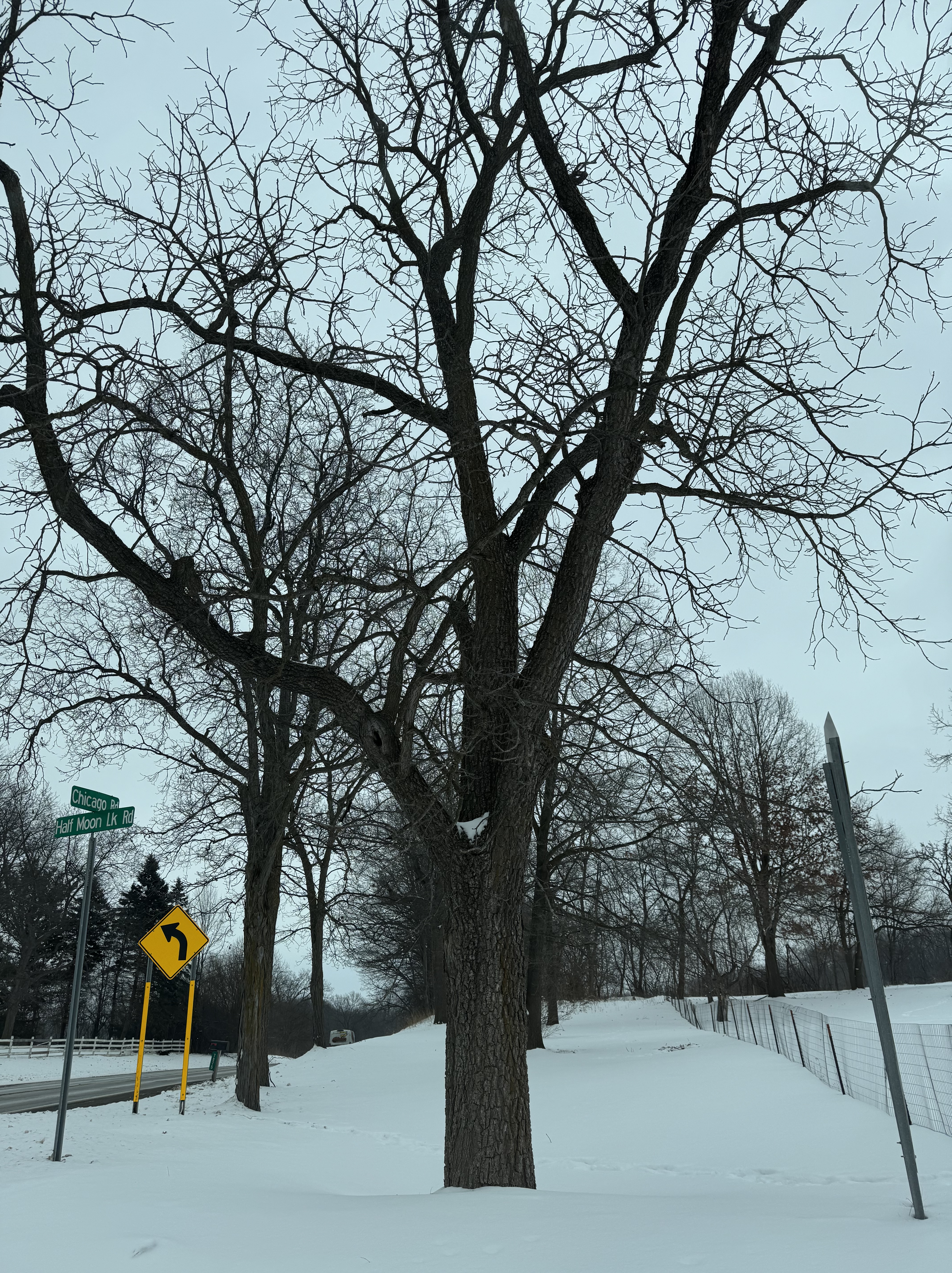
The different kinds of trees all show the master “branching” effect.
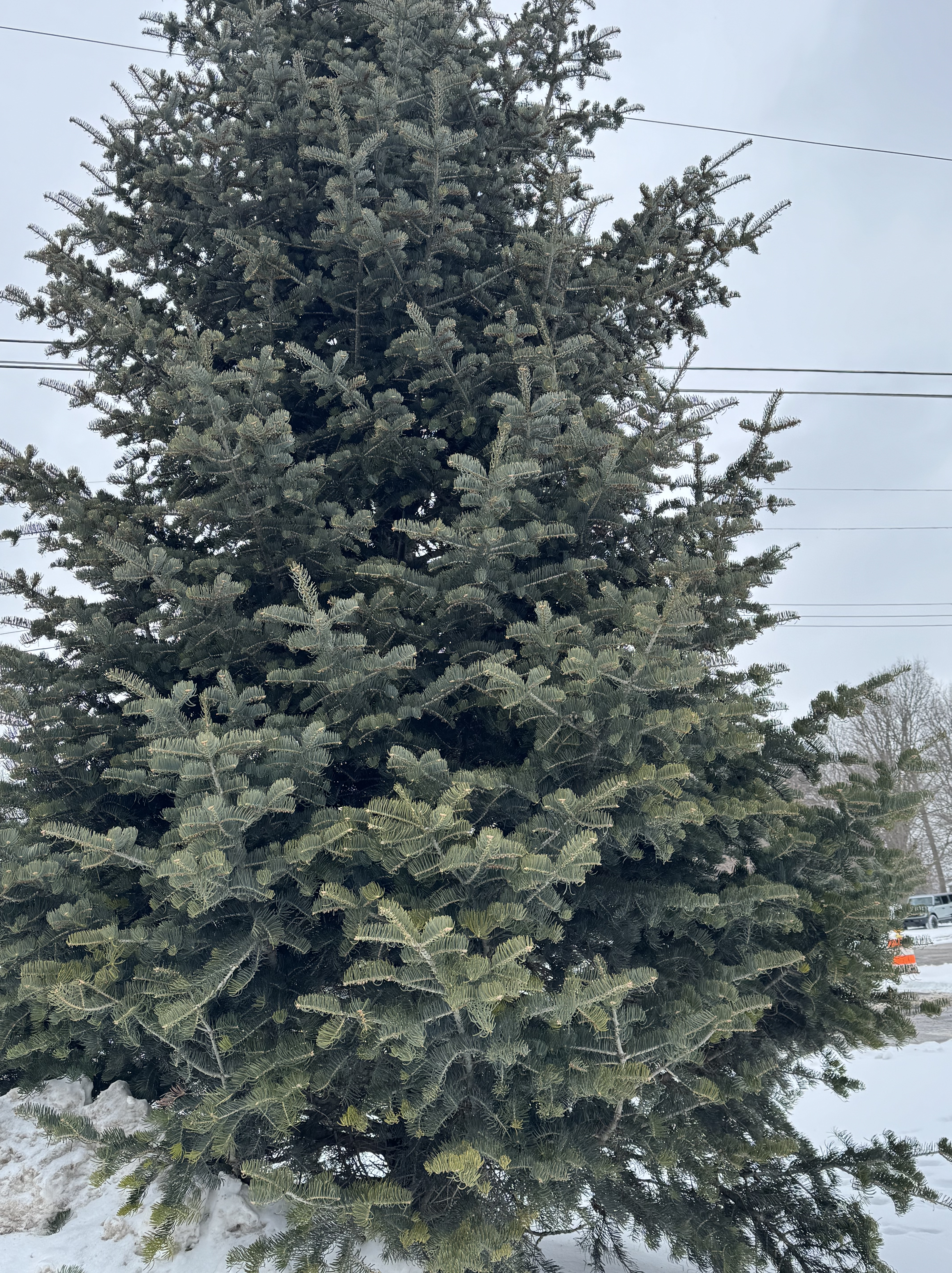
The Spruce tree above is on the Hillsdale College campus, and shows the same branching structure.
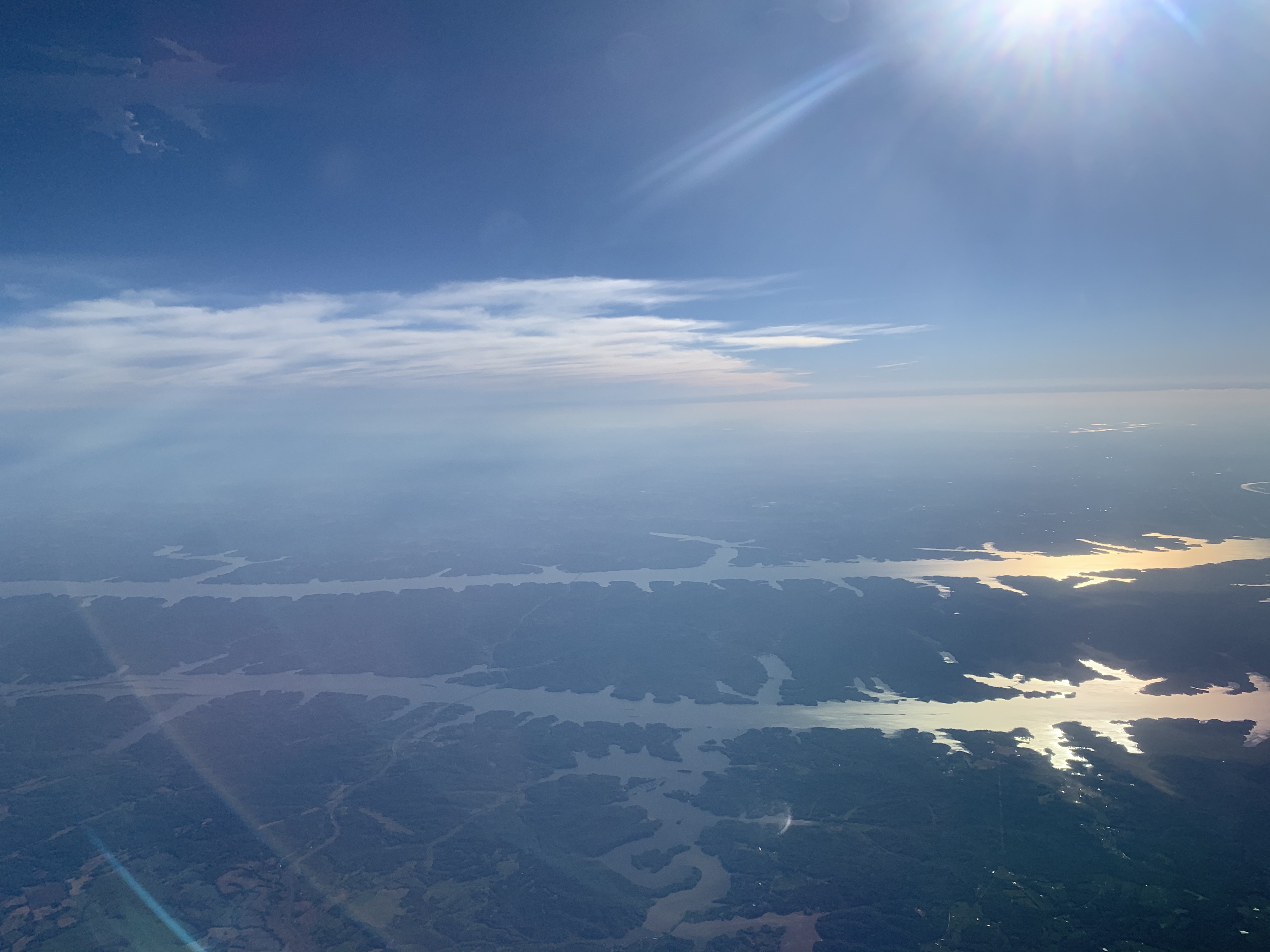
The rivers flowing into the big lakes above show a similar branching structure.

…as does the Grand Canyon above.
On our trip to Michigan, I saw some very unusual design elements on an old building in Coldwater, where we were staying. This old building used to be a private home, but was later remodeled into commercial space. This style of construction, brick with distinctive windows and trim seemed to be very popular around this area in south-central Michigan, and I think it was brought by early settlers from the East Coast. They look like they’d be more at home in a city, than in a mostly rural area of small towns and farms. I was absolutely taken with this building, and noticed that it is for sale. If only!
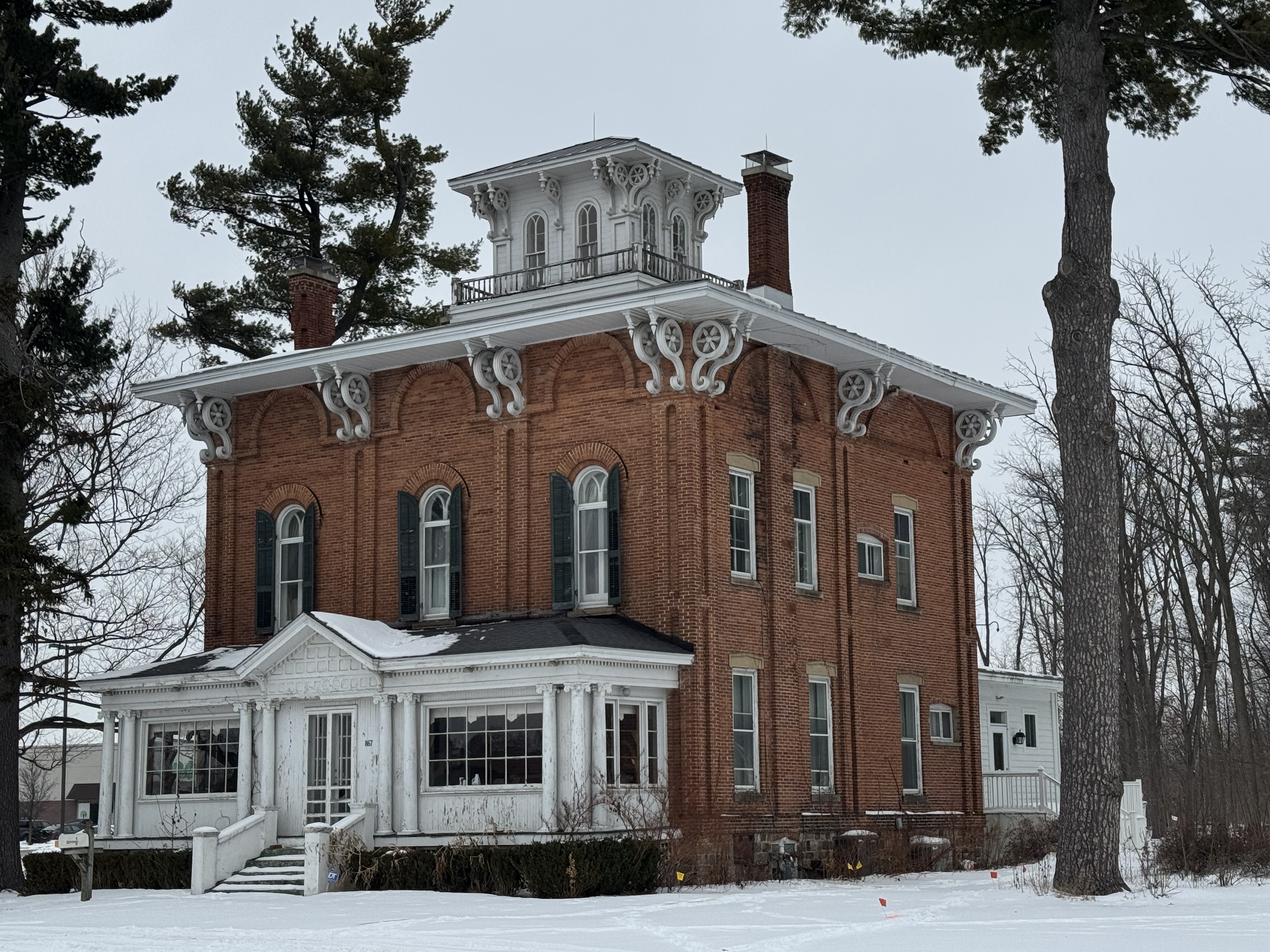
That is a fine, old building, in fairly decent shape, probably dating to the mid-19th Century. It’s built in a Classical style-like the columns on the wooden enclosed porch on the first level.
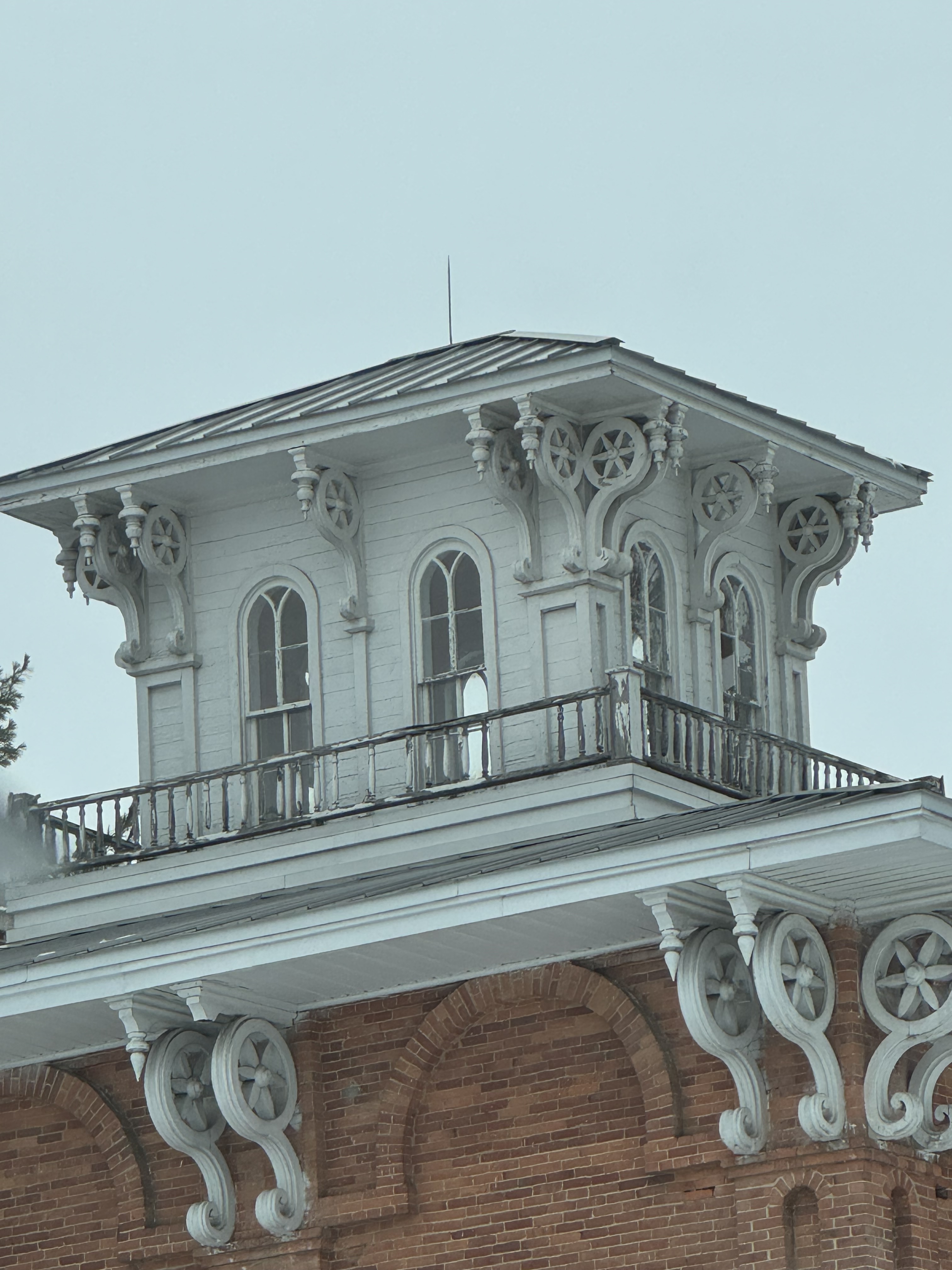
But I was especially drawn to the brackets holding up the eaves on both the first level and the little structure above. I don’t know what it was for, but it might make a nice artist studio, with its little balcony. If someone knows about this design, I’d would love to hear it.
The piece of property is about five acres, and includes this little gate (with no attached fence) in back. It, too, is an interesting design.
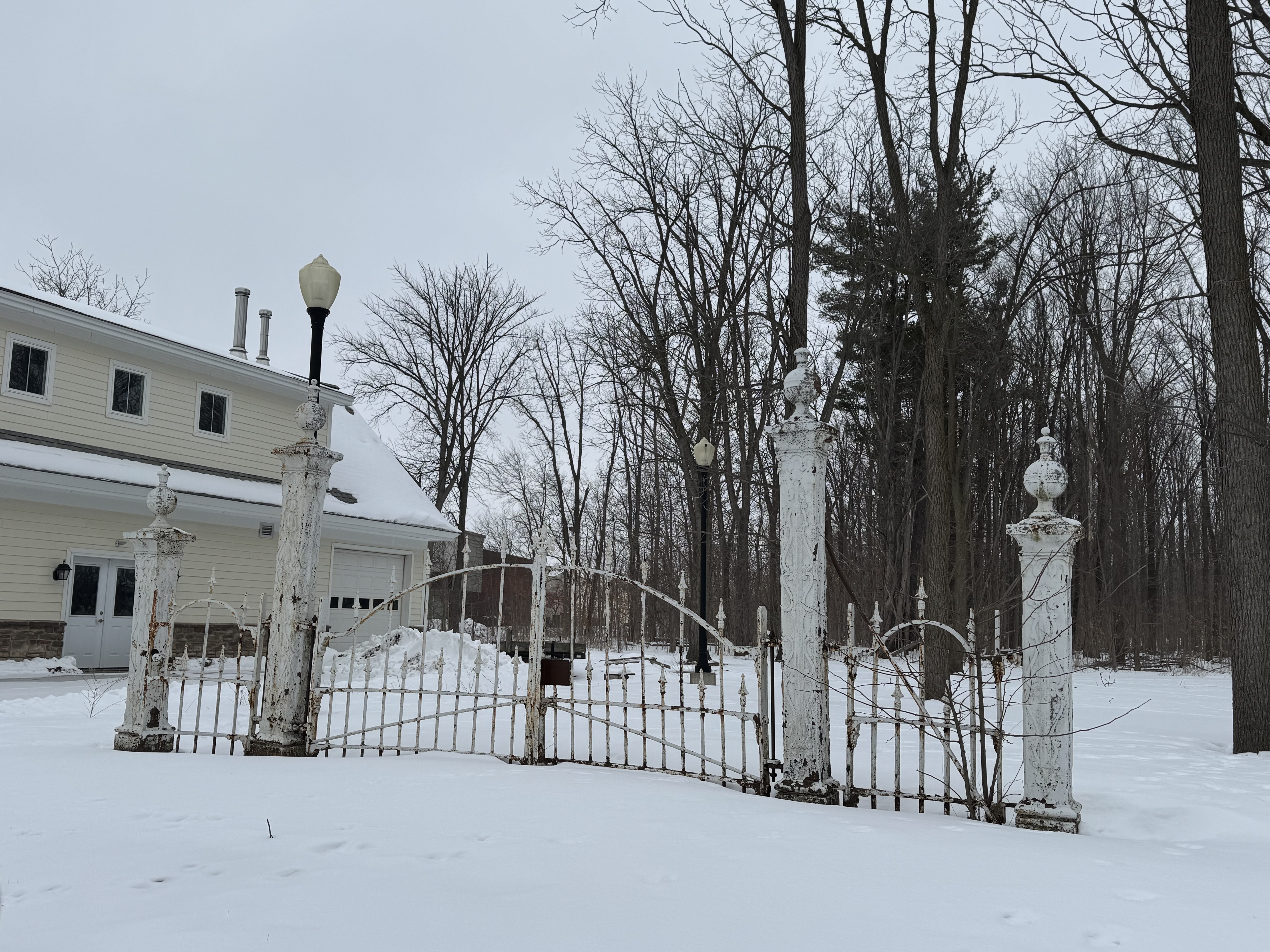
It might have enclosed a garden, or maybe a family graveyard.
Also in the Classical Style are the buildings on the Hillsdale College Campus. The College honors the Classical in all its buildings, from some of the oldest like Central Hall…
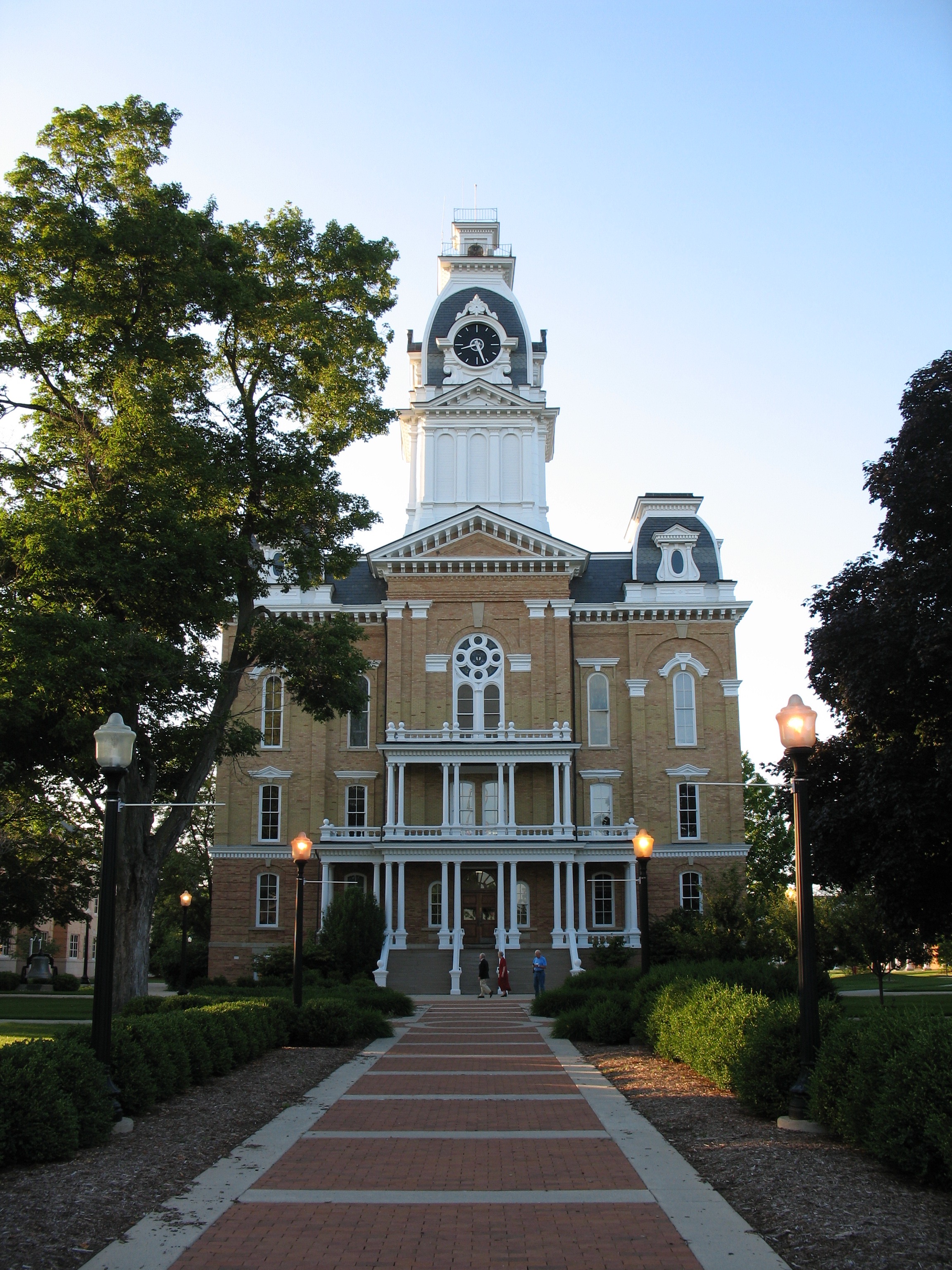
To the various elements making up the portico of the newer Christ Chapel, dedicated in 2023.
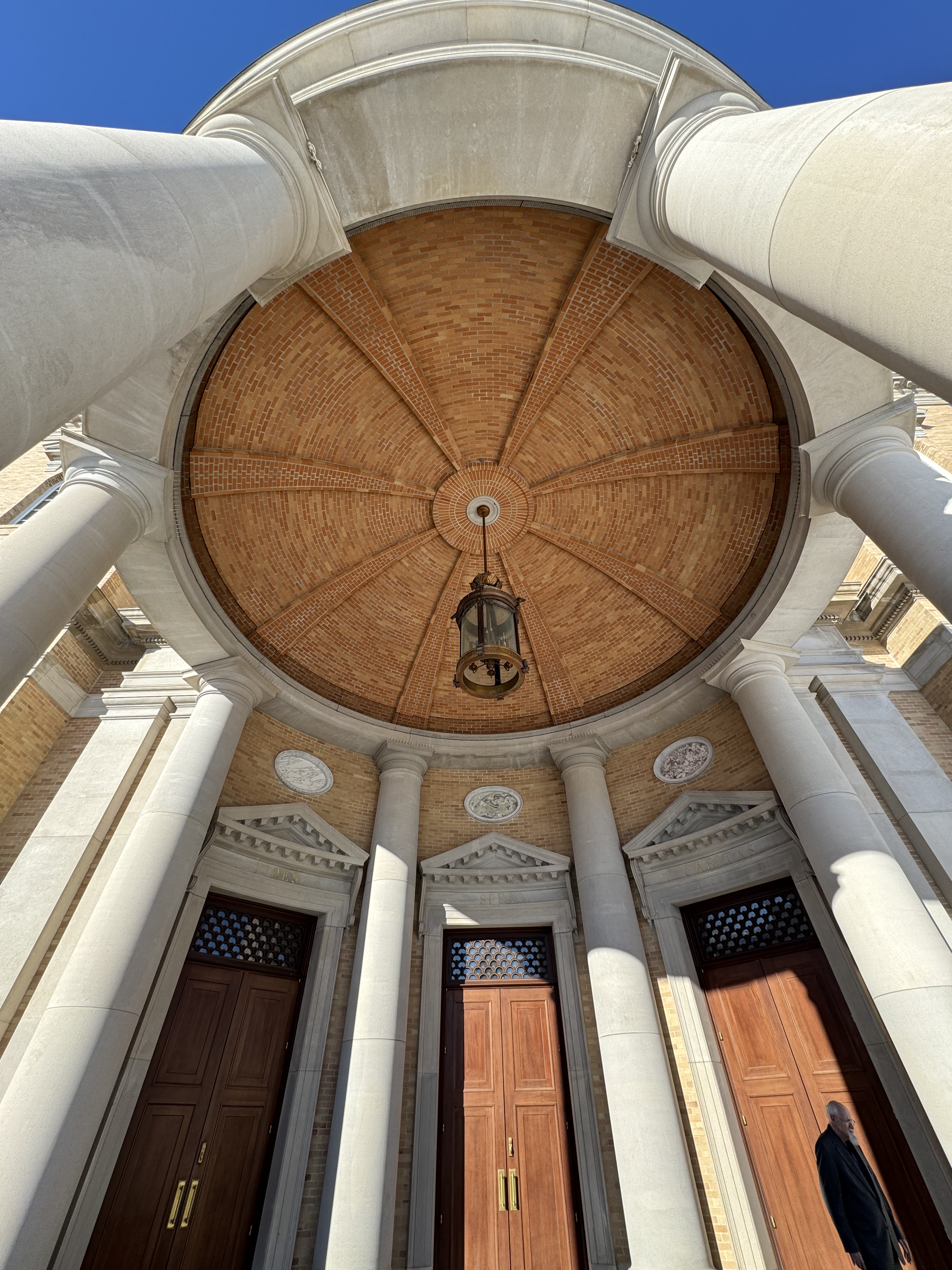
Person for scale, so you can see how high that ceiling is. Even the underside has detailed patterns that contribute pleasingly to the whole.
And on the inside of the chapel…
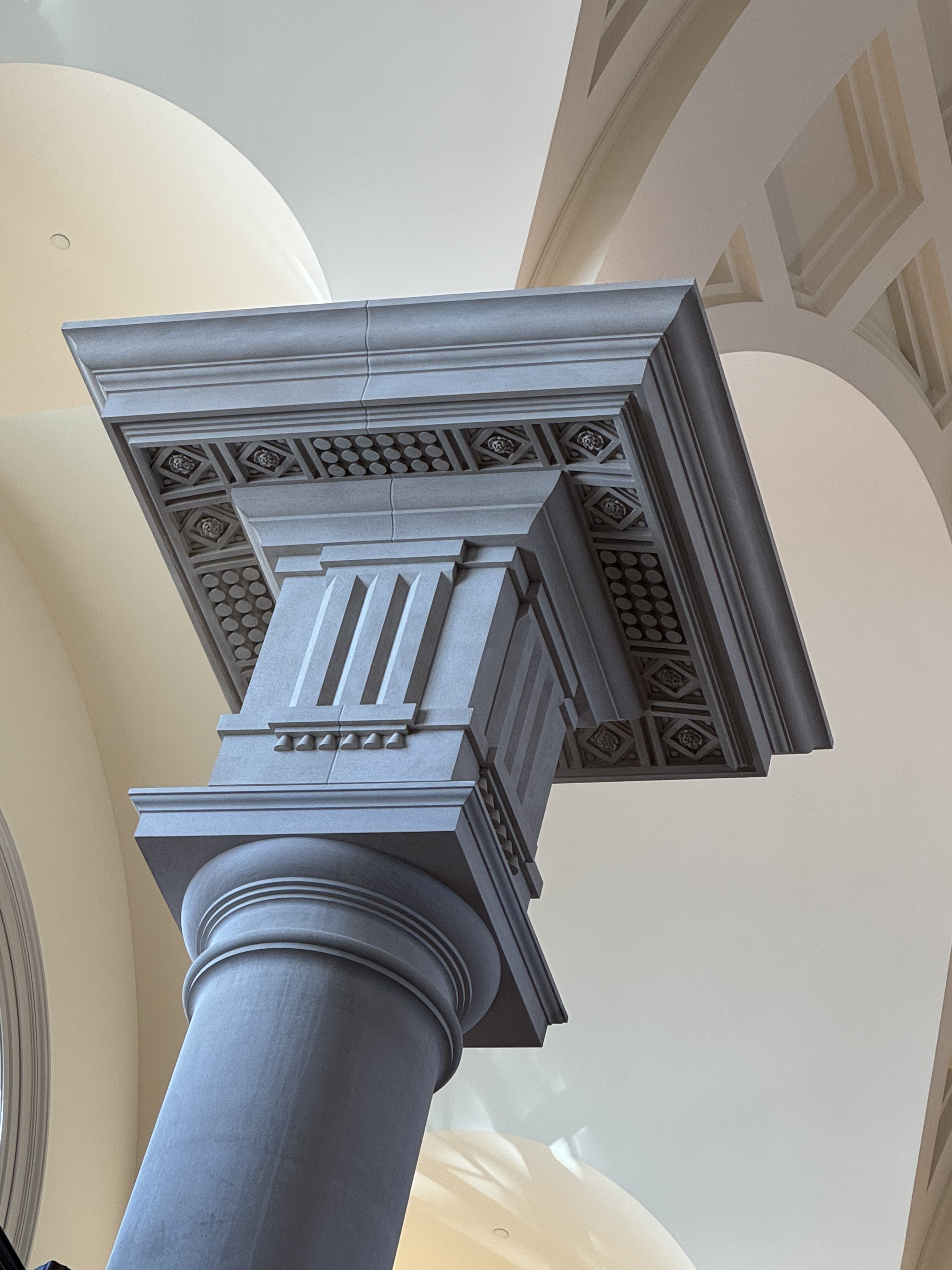
Elaborate detail at the top of a column.
One of my very favorite designs by Nature is the rock formations of Columnar Basalt. In the West, you find numerous examples of this, from the cliffs overlooking the Columbia River in Washington State, to Devil’s Tower in Wyoming. The master element is hexagonal cross-sections, due to the cooling of volcanic rock and the crystals that make it up.
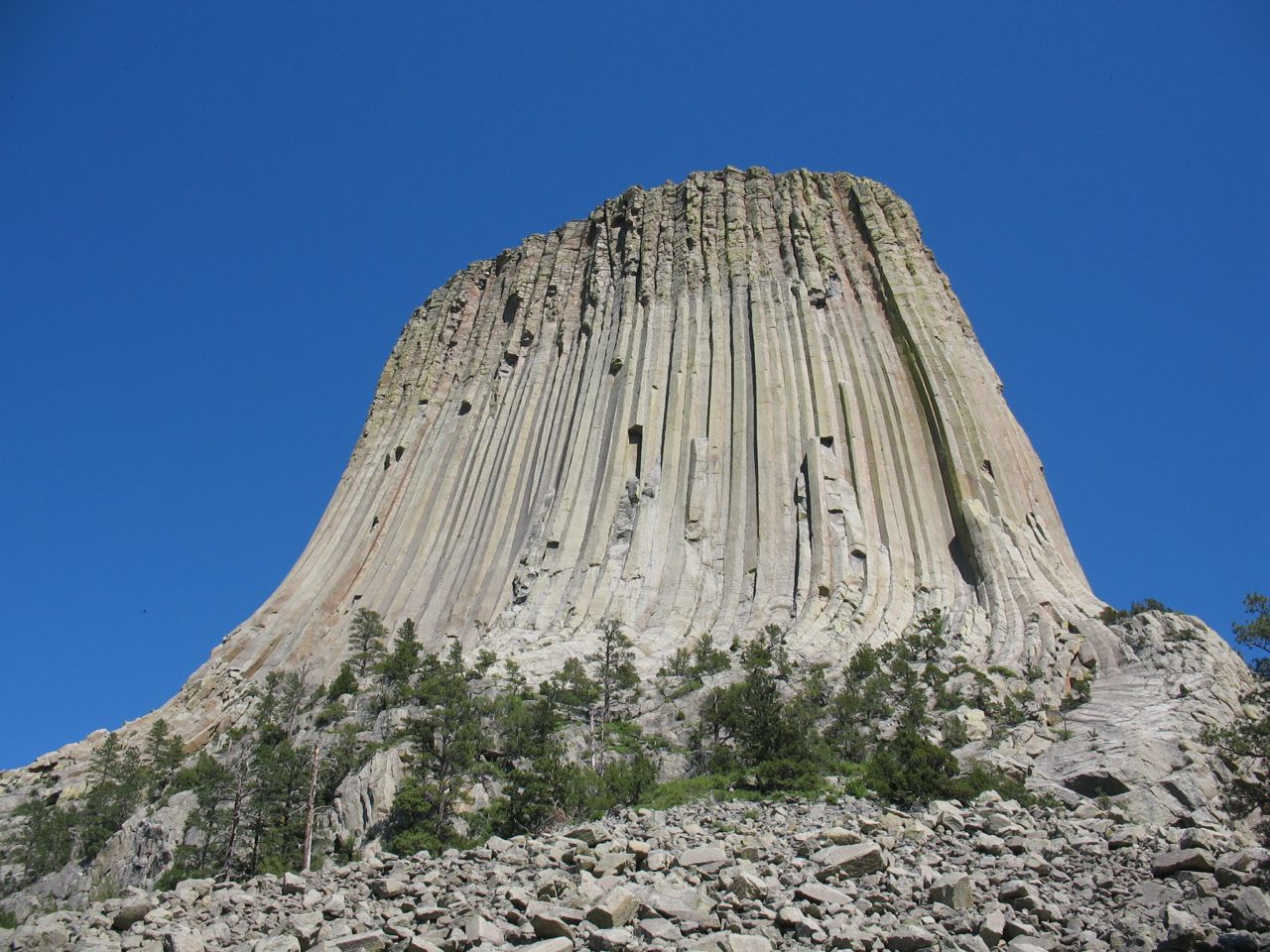
You can see the columns still standing, and also the scree at the bottom shows the six-sided structure.
Keeping up with the Devil motif…
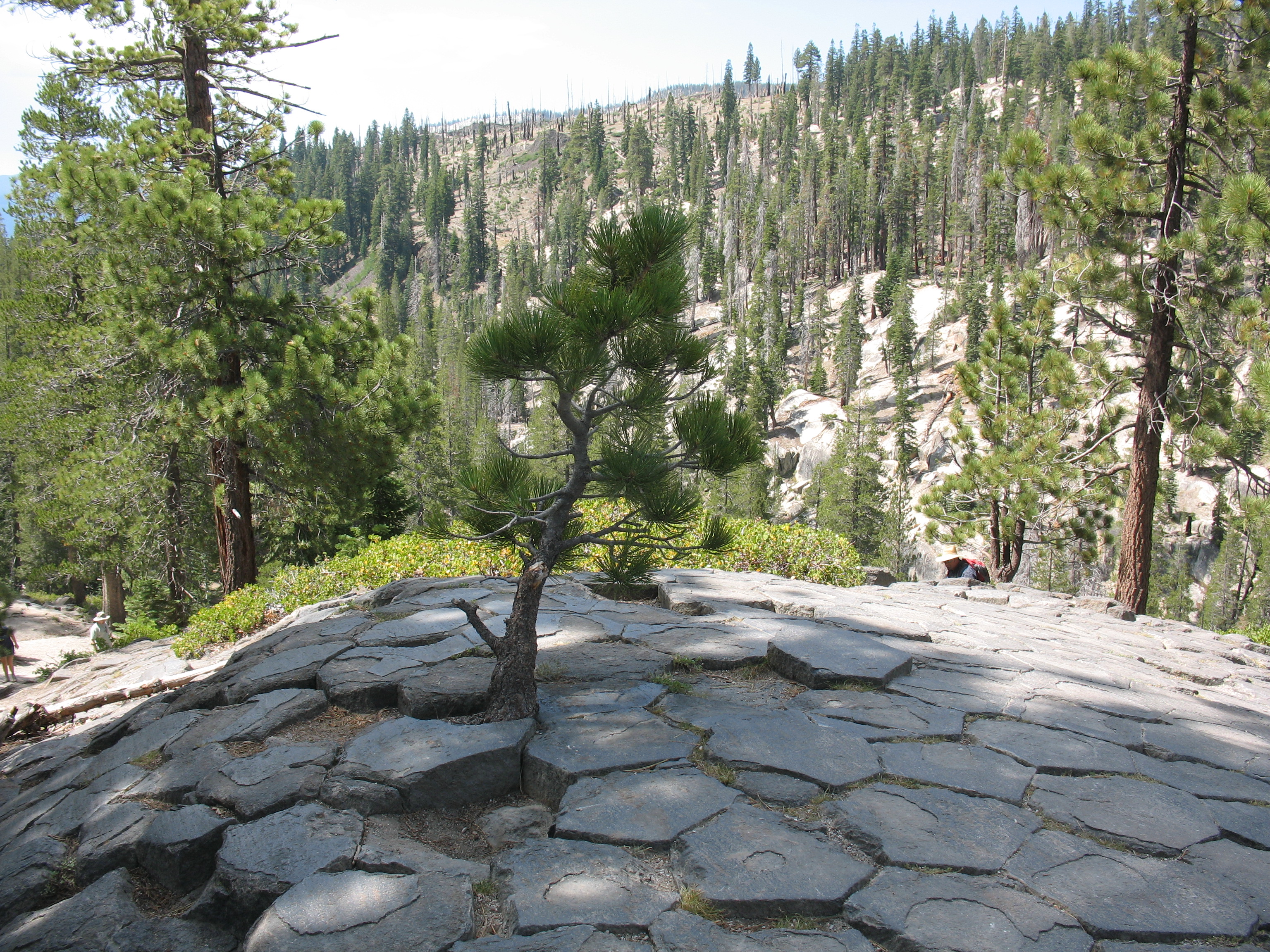
This is Devil’s Postpile in California, and you can easily see the six-sided structure of the columns. Quite remarkable! As the rock is broken down by freezing and thawing, it makes little bits of soil, which are colonized by seeds of the pine trees you can see growing out of the rock. This is how big mountains become beaches!

This is a stage of the end result, a rocky beach along the Columbia River, made of shards of columnar basalt from the cliffs above.
Here’s the Link to Tina’s Original Post for this week. And Patti’s. And John‘s
 Calling-all-RushBabes
Pingback: Parents of Public School Students: Do you know what their Teachers are doing with them ? | THE ARTFUL DILETTANTE