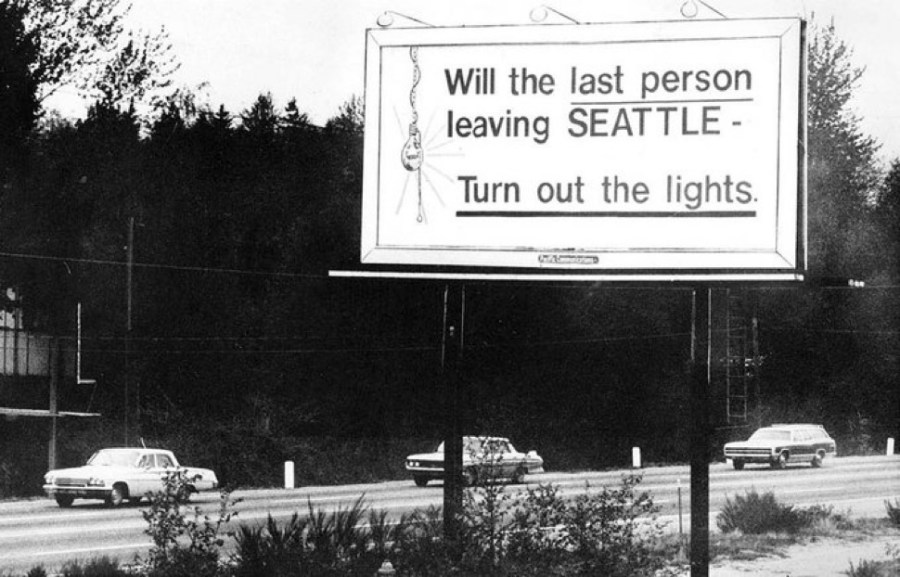
This week was the primary election, and the office of Mayor of Seattle is in play, among other interesting electoral contests. Now, I don’t live in Seattle, so I have no stake in who their (far or farther Left) mayor is, and the “voters” rarely fail to voluntarily mess up their city. This election did not disappoint.
All of the candidates were one shade or another of Leftist, from “moderate” (his term) incumbent Bruce Harrell, to “Democratic Socialist” Katie Wilson. She is proud of being a mother and a renter, which is interesting (renters have no skin in the real-estate game, and Seattle has a reputation for being hostile to landlords). Rents and real-estate prices are skyrocketing in Seattle, making it the fourth-highest-cost place to live in America, so that will be a major campaign issue. Here are some comments and posts about the condition of Seattle, and the election.
First, the article from local TV station KOMO: What’s at Stake in Seattle mayoral race.
Wilson expressed optimism about the early results, saying, “I’m feeling great. We were not expecting to be ahead on the first drop, right?” She emphasized her focus on addressing key issues such as the cost of living, housing, and childcare.
“I think people want a mayor who is going to tackle the problems that they’re facing every day,” Wilson said.
Wilson also criticized the current administration’s approach to homelessness, stating, “Mayor’s approach to that crisis has been to basically destabilize people not actually providing the shelter they need, and that contributes to our homeless safety crisis.”
She advocates for civilianizing certain roles to allow police to focus on serious crimes and reduce response times.
That’s just part of it, but certainly shines the spotlight on housing and homelessness, which has also been steadily growing under Harrell.
Just this week, Seattle has added a “B & O Tax Overhaul” measure to the ballot for November. The Business and Occupation Tax is a “gross-receipts” tax, taking a percentage of every dollar that comes in to a business, hitting ALL businesses in town, not just the profitable ones. It’s obvious that this is detrimental to small businesses just starting out. The measure would increase tax rates on the largest businesses, and reduce them for small ones. However, the leftists running Seattle are economically illiterate, and have no clue about the potential adverse effects on the local economy.
Heywood is a local business owner and venture capitalist, who is very economically literate! Here’s another comment from a local person who is also economically literate. You should also read Future42’s post linked.
And my own response to this:
Their assumption is always that the businesses they heavily tax will simply sit still and pay up. That’s where their revenue projections come from. They are always surprised when revenue falls short, when those businesses change their behavior by laying off employees and/or leave. They cannot learn, because if they admit error, their entire worldview collapses. So they just do the same thing over and over.
Here is a chart of the rates of homelessness in King County, including Seattle.
Obviously, homelessness has increased every year of Harrell’s term. My guess would be that if Wilson wins, it will increase at a faster rate. The voters of Seattle have already voted for “social housing”, owned by the government, to be built, since it’s pretty obvious that the private sector is not as capable as government at providing housing to “low-income” people (remember “housing projects’?). The people of Seattle and King County never met a tax they didn’t like. By the way, in King County (dominated by Seattle), the homeless vagrants, when offered shelter, are allowed to refuse help, and there is no lawful way to get them off the streets if they refuse that help, which most do. They are shooting themselves in the foot, and sabotaging their own programs (or maybe telling the public what they really think of the homeless-they are OK with them remaining on the streets). The majority of street vagrants in our area are drug addicts, and the county has NO mandatory treatment option available for the addicts. This has resulted in addicts on the streets, where shoppers walk, overdosing in broad daylight.
And, speaking of homelessness, the landlords of Seattle are expected to be able to keep homeless camps off their property, and are fined if campers set up in their yards. In Seattle, homeless vagrants can establish a camp in 24 hours or less. This is a huge burden on smaller landlords, who would have to devote hours to fence in and keep vagrants from occupying their open space. Most landlords don’t live close to their rental properties. Seattle has always been hostile to landlords, especially during Covid, when large numbers of tenants got away with not paying rent at all. Many are selling and moving away since they can’t make a profit. Please read the linked article for more.
Some local humor, above. Shows you how expensive Seattle is.
Everyone in the city pays for the campaigns of the socialists, whether they are socialist or not.
Please click through and read the comments on this post by the current Seattle mayor.
You get the idea by now.
With the help of their representatives in Olympia (the state government is also dominated by Seattle), higher prices, more restrictions on liberty, and benefits offered to illegal aliens, Seattle voters approve their own decline.
Yet Seattle voters continue to approve these candidates and their programs.
And the worst of the new taxes haven’t even hit yet. It’s a wonder anyone stays here.
 Calling-all-RushBabes
Balancing paying new taxes over increasing my retirement by working a few more years. I can’t collect it for five more years so am in a bit of a pickle. If I move, I won’t get any credit towards any retirement because I don’t have time.
Serious concern, though. My TRS3 retirement depends on the state continuing to pay it.
Rock, meet hard place.
The Times did a series awhile ago where they matched people with financial advisors. Even 20 years ago, they were saying that most people would not be able to afford to retire here. It’s way worse now, and will continue to worsen. I worked until 76, but I am an unusual case.