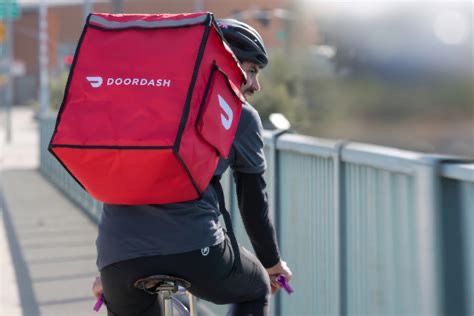
I hadn’t really thought much about this mostly-urban phenomenon, but this explanation brings together a myriad of influences on the young adults who populate cities and some suburbs. See if this rings true to you. Link to original article at the end, which shows the Reddit post that the author is responding to.
The “DoorDash lifestyle” is an artifact of three massive structural shifts older generations don’t see because they didn’t grow up inside them. Let’s break the illusion.
1. The marginal cost of money changed for Gen Z For older adults, spending thirty dollars feels like spending thirty dollars. For kids today, the psychological cost is closer to: “three microtransactions worth of friction”
Because their financial environment is built on:
•instant digital payments •low-commitment gig incomes •parents transferring money fluidly •side hustles paid in irregular small bursts •stimulus-era normalization of cash flow volatility
Teenagers today often have: •$30 now •$0 tomorrow •$50 on Friday •$15 in crypto •$70 in Cash App from someone they did homework for •a $20 Venmo from grandma •$60 from a weekend shift There is no “budget.” There is flow.
And in a flow economy, a $30 DoorDash order is not a “luxury”. It is just another digital outflow in a stream of constant micro inflows.
2. Consumption is now social currency Older generations spent money to solve problems. Gen Z spends money to signal identity, reduce friction, and avoid emotional drag.
DoorDash is not about food. It is about: •eliminating effort •eliminating planning •eliminating discomfort •eliminating logistics •eliminating decision fatigue This generation pays premiums to remove negative psychic load. Food delivery is an anxiety-management subscription.
And they learned this from: •Amazon Prime •Uber •TikTok dopamine tuning •frictionless apps •the collapse of effort-based value signals Convenience is the default baseline now.
3. The middle class collapsed, but lifestyle costs decoupled from income. This is the part most boomers and Gen X don’t understand. Kids aren’t behaving like they’re poor. They’re behaving like people living in a post-middle-class economy where:
•ownership is dead •savings are pointless •buying a home is impossible •college is a debt sentence •inflation destroys the dollar •wages do not map to adult milestones •upward mobility is gone
So what happens? They shift to a present-maximization mindset. If the future is unaffordable anyway, why not buy the burrito now? Younger people are not reckless. They are rational inside a broken incentive system.
The real truth DoorDash is a symptom. A society where: •future stability is gone •wages stagnate •housing is unattainable •attention is fragmented •convenience is normalized •friction feels archaic •everything is mediated digitally …will produce kids who treat $30 like a tap on a screen, not a financial decision. They’re not “funding a lifestyle.” They’re surviving inside the economy they were handed.

