I have always envied people with lovable, loving mothers. I did not have one, and I knew very early that I could not be one, so I made the early decision not to become a mother. I knew that I would make any child’s life as miserable as my witch mother made mine. However, I have great admiration for women with many children and happy families.
I also urge younger women to get married young, and have children. These days, the public schools are mostly State Indoctrination Agencies, run by Leftist women who train their students to hate humanity (per the environmental wackos, humans are destroying the planet and must be minimized), demonstrate in the streets (unions actually take their students out of school to participate in Communist May Day demonstrations), and view America as an evil country who stole land from the peaceful Indian tribes who were here when the first European settlers arrived). So I urge all families to pull their precious children out of government schools and teach them at home. There are more and more resources for home-schoolers, homeschool co-ops and curricula are often free of charge. Home-schooled children are healthier, happier, better-educated and just better citizens that public-school kids. Below is a home-schooler’s advice for Moms.
How to Avoid Homeschool Burnout: After homeschooling fifteen kids over more than two decades, I’ve seen moms burn out because they’re trying to do public school at home or using a curriculum that requires more of the parent than it does the child. We start with Pinterest-perfect dreams, but sometimes we forget the heart of why we’re doing this in the first place. So here’s my honest advice; the kind I’d share with you over coffee on a messy kitchen table, with toddlers climbing around and someone asking for another snack.
1. Stop homeschooling preschool and kindergarten. Let them play. If your preschooler is busy digging in the dirt, building towers, or pretending to cook soup for their stuffed animals; congratulations, they’re learning! Play is education for little ones. It builds imagination, fine motor skills, and emotional regulation. Let them explore, sing, climb, and wonder. Academics can wait. Childhood can’t.
2. Your home isn’t a mini public school. You didn’t bring your kids home to re-create what you left. You brought them home for freedom! Enjoy that freedom to move, to rest, to go deep into passions, and to build real-life skills, together. You don’t need desks in rows, bells, or a rigid schedule. You need connection, curiosity, and love. Homeschooling thrives when it feels like family life, not an imitation of an institution.
3. Kids don’t need seven subjects a day. No one learns well when life feels like a conveyor belt of checkboxes. Focus on a few rich things that matter: reading together, exploring the world, creating, and talking about what you see. When your child dives deep into one subject; like dinosaurs, gardening, art, or history; they’re developing focus, discipline, and joy. Those habits matter more than “finishing” every book.
4. Worksheets ≠ learning. Filling blanks and circling answers doesn’t make knowledge stick. True learning happens when a child uses what they know; through storytelling, experiments, art, problem-solving, cooking, and play. If you swapped half the worksheets for projects, discussions, and discovery, you’d see curiosity come alive again.
5. Grade levels are a myth. Your child isn’t “behind” or “ahead.” They’re just on their own path. Real learning doesn’t follow a standardized timeline. One kid might read at four; another might not until nine; and both can end up loving books as adults. Homeschooling allows mastery over memorization and growth over grading.
6. Your kids don’t owe relatives a performance. You don’t have to prove your worth, or your kids intelligence, to anyone. Learning isn’t a show. It’s a lifestyle. Protect your kids from the pressure to “perform.” Let them learn for the joy of it, not for applause.
7. If you’re burned out, your kids feel it too. Your peace sets the tone of the home. When you’re overwhelmed, stop. Simplify. Rest. Your kids would rather have a joyful, engaged mom than a frazzled teacher trying to “keep up.” Go outside. Take a week off. Do nothing structured. Bake, snuggle, read, breathe.
8. Reading late isn’t failing. Some of my kids were fluent readers at five. Others took until eight or nine. You know what? They all caught up. My daughter Anna, who is the slowest to learn how to read is now best selling author. Early reading doesn’t predict future success. Here’s the truth: shame, pressure, and comparison can damage confidence for years.
If you suspect dyslexia, don’t spend thousands of dollars on tutoring! Try Dyslexia Games as your first option when kids struggle to read – the program is affordable and uses art, games, and logic to teach reading: http://DyslexiaGames.com
Let go of the fear that you’re not doing enough. You’re giving your kids something precious; the gift of learning in freedom, surrounded by love.
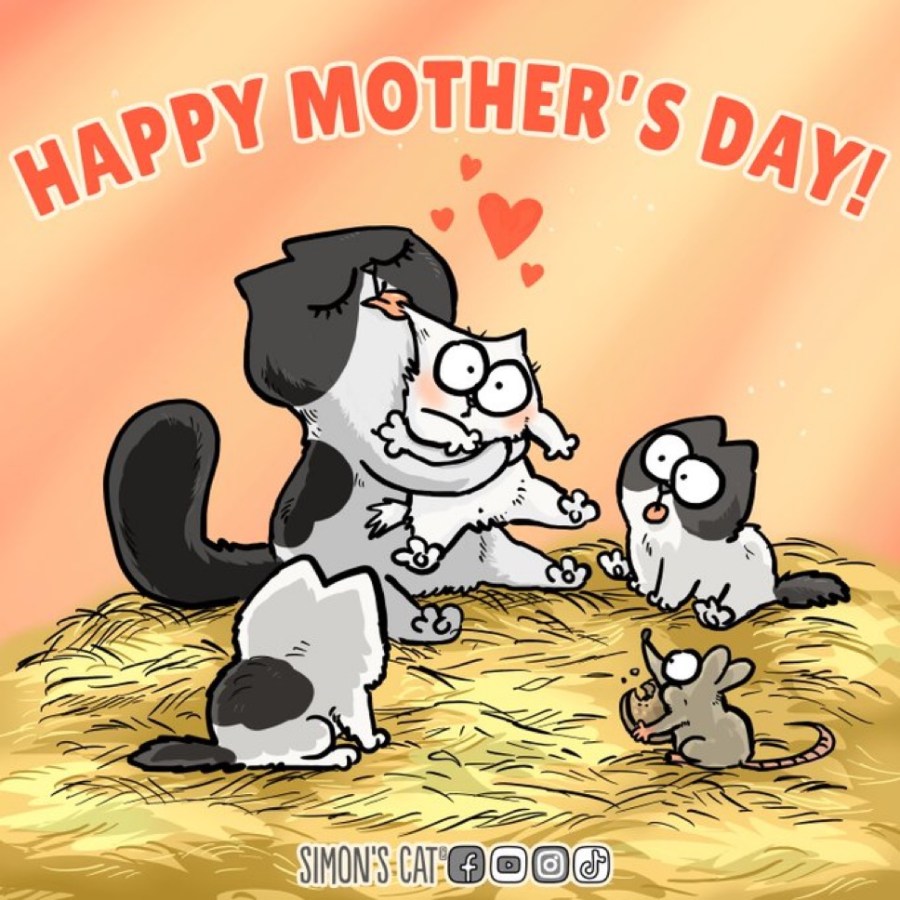
How about this beautiful Mom and her offspring?!
Some Mother’s Day Fun.
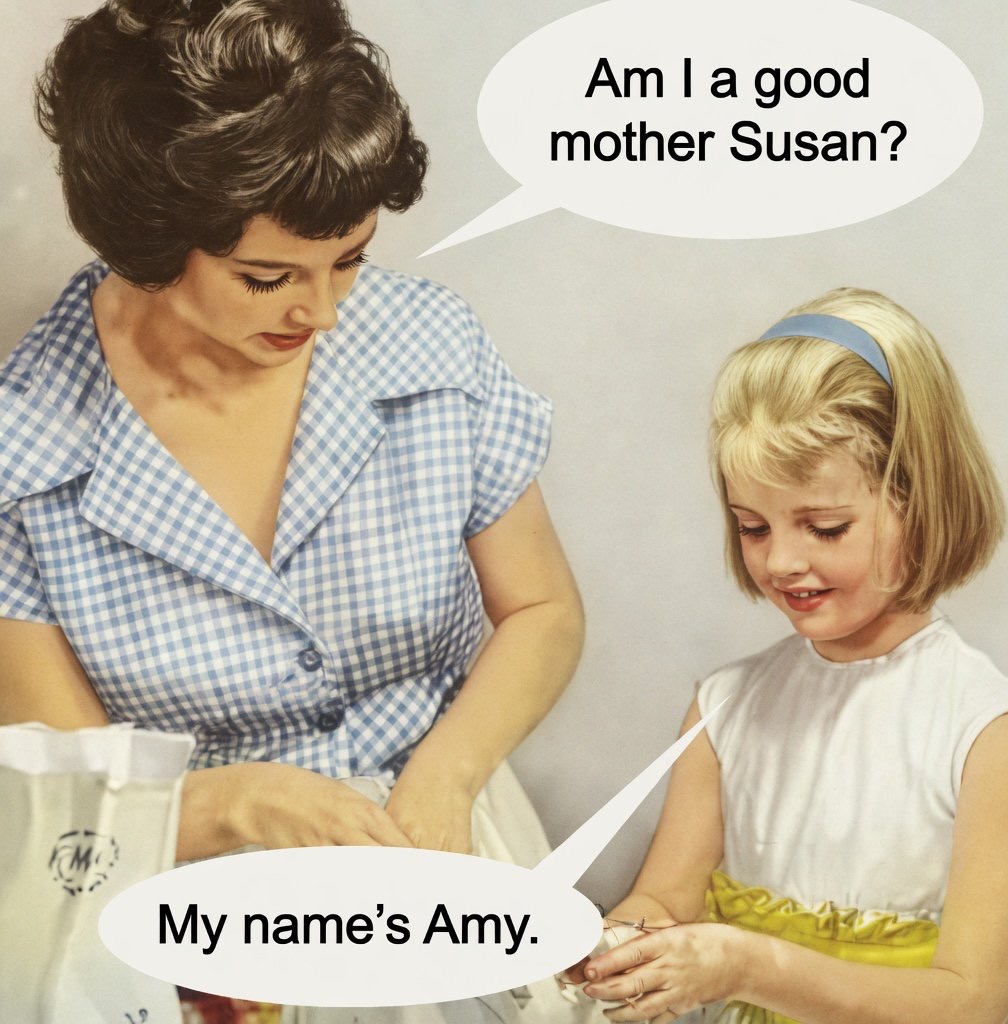
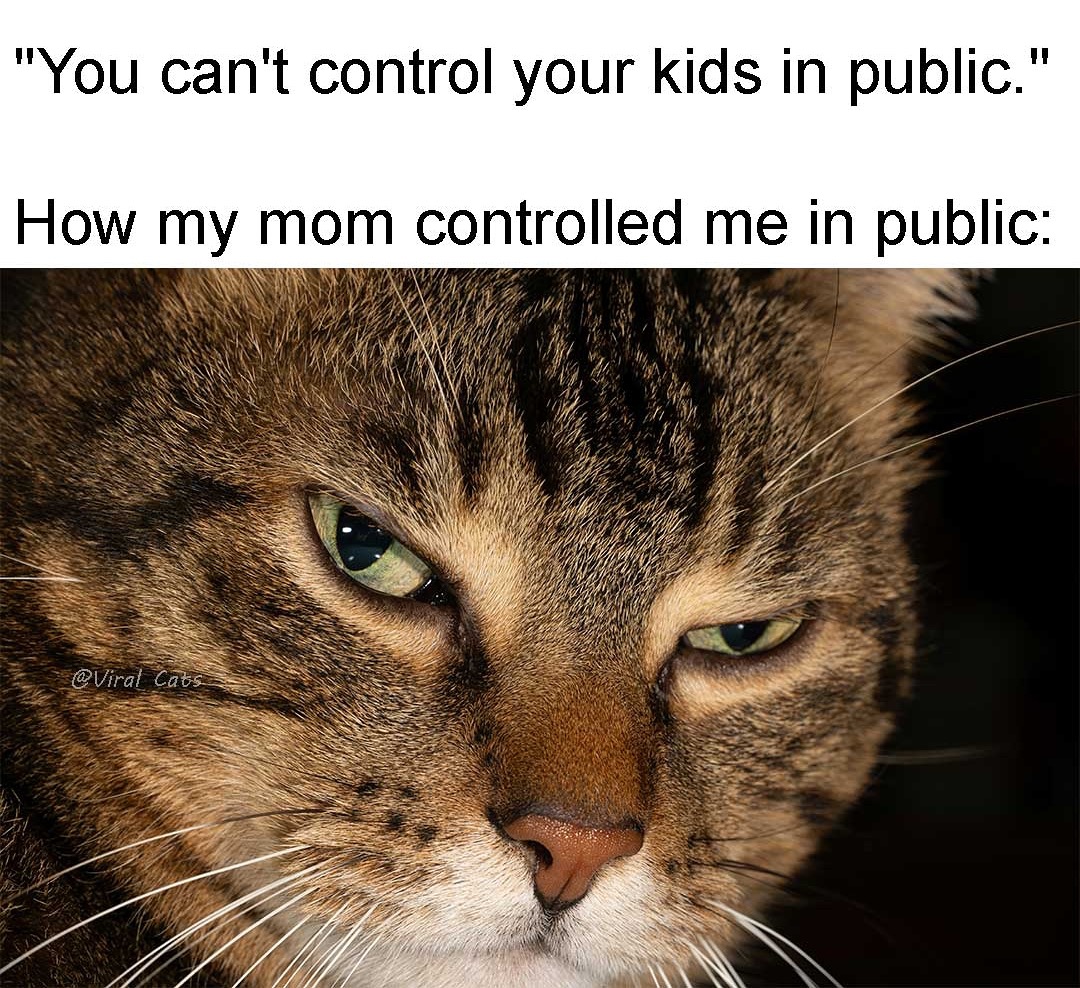
HAPPY MOTHERS DAY TO ALL THE LOVING MOTHERS OUT THERE!!

