This is also called “Dynamic Pricing,” and it couldn’t exist without the new electronic shelf tags that most grocery chains are now adopting. Those electronic tags enable up-to-the-second price changes, almost invisible to shoppers. Walmart has strenuously denied doing this “surveillance” pricing which takes into account how THEY calculate the “willingness to pay” a higher price based on what they know about a shopper. Every shopper using their loyalty program has given up information that they can use to decide whether to raise your price between the time you pick the item off the shelf and you go through a checkout line.
Walmart denies using surveillance pricing, but they are contradicted.
Walmart manager confirms the store is changing prices of items from the time you pick them up to the time you get to the register
“So me and my son went to Walmart to pick up some butter and some other items for my baking, and I grabbed my stuff, and I’m very aware of prices because of how high stuff is. And I go to check out and I start noticing that my prices are higher, and I’m like, okay.
So I call the manager over And he comes over and he says, uh, you know, the prices can change from the time you leave the area to the time you get to the register because the computer updates”
The manager confirms that just within that couple minutes they’re allowed to change the price
According to Walmart they are implementing these digital pricing tags throughout all their stores and the prices can change. The CEO made a statement saying the prices will change but it’s by item, not person. He also said the price changes are supposed to be done outside of customer hours
But this is a big issue for many people because with these tags the items can be changed mid-day or based on demand. Yes they’re the same price for everyone but that’s still dynamic pricing
This isn’t a conspiracy theory wither, Walmart has been sued by California for issues with pricing like this more than once. So the CEO is saying one thing but what people are seeing in the stores, what their employees are saying and what lawsuits are showing is the opposite
Walmart manager confirms the store is changing prices of items from the time you pick them up to the time you get to the register
“So me and my son went to Walmart to pick up some butter and some other items for my baking, and I grabbed my stuff, and I'm very aware of prices… pic.twitter.com/HuqDe3kBv6
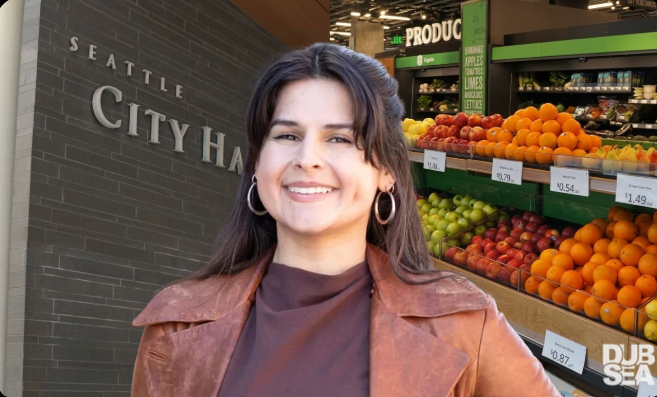
Just this past week, Seattle forbid this practice by a vote of their far-Left city Council.
Seattle Becomes First U.S. City to Ban “Surveillance Pricing” On Groceries, Blocking Personalized Prices Based on Customers Personal Data
“Surveillance Pricing” Refers to Grocers Using your Browsing History, Income, Location, and Shopping Habits to Calculate a Fixed Price They Assume That You Will Pay
The New Ordinance, Spearheaded by Councilmember Alexis Mercedes Rinck Bans Large Grocery Chains from Setting Prices Based on Shoppers’ Personal Data
Big Grocery and Tech Industry Groups Pushed Back Hard, Arguing the Ban Could Kill Personalized Discounts and Coupons that Actually Help Some Shoppers Save Money
If You Shop at a Major Seattle Grocery Chain, You’ll Now Once Again Pay the Same Price as the Person Next to You, Not a Price Based on your Personal Data
#BREAKING: Seattle Becomes First U.S. City to Ban "Surveillance Pricing" On Groceries, Blocking Personalized Prices Based on Customers Personal Data pic.twitter.com/fNDCCCeBzH
In my opinion, when the big grocery chains squeal at this kind of ordinance, it means that Seattle is on the right track. People will not be opting out of loyalty programs, and the stores would probably not end the discounts tied to those loyalty programs. Some have stated that this kind of dynamic pricing is “bait and switch” which is already illegal. I believe this to be true. Here’s another instance of dynamic pricing happening.
HERE WE GO 🚨 AI powered Dynamic Pricing comes to McDonald’s
McDonald’s is using an AI-powered pricing engine to help determine menu prices based on transaction data and “customer willingness to pay”
The AI engine doesn’t just look at McDonald’s sales. It also scrapes public menu prices from nearby Burger King and Wendy’s and folds those into the “optimal price.”
The algorithms estimate “customer willingness to pay” at each restaurant and according to Reuters, store franchise owners say the company pressures them to use AI pricing tools
“McDonald’s pricing engine uses machine-learning algorithms to continually analyze data from millions of daily transactions across McDonald’s nearly 14,000 restaurants and generate what the company calls “the optimal price” at each location for each menu item” – Reuters
It’s a big difference
2 McDonald’s locations just 2 miles apart in Fresno, California were selling the same Big Mac for $5.69 vs $6.89. That’s a 21% difference
The franchisee dashboard literally grades stores on how much locals will tolerate: “Your restaurant is showing MEDIUM SENSITIVITY to Price” based on “customer willingness to pay in your area.”
This is every nightmare we were worried about coming true.
HERE WE GO 🚨 AI powered Dynamic Pricing comes to McDonald's
McDonald’s is using an AI-powered pricing engine to help determine menu prices based on transaction data and "customer willingness to pay"
Notice the sign on the phone screen in the post above does mention that “Pricing May Vary.” I just wonder how many loyal customers like me will ignore that and buy anyway. McDonalds pricing has always varied by region, and this just varies prices by many more parameters. I despise the “Willingness to Pay” parameter, though, and I think that is positively evil. With prices for absolutely everything you by going up by leaps and bounds, just what we need is having to worry whether a merchants thinks you might be willing to pay a higher price. They are trying to be mind-readers. I predict that this action will alienate many loyal customers, who are already being told that all fast food is unhealthy. This makes it more likely that Mickey D’s will lose customers, and it’s hard to raise pricing on an order that is never placed.
Not only happening here in America.
Meanwhile in the UK 🇬🇧
Supermarkets have introduced new “dynamic pricing labels” which can change at any given time based on demand for the product.
The kind of pricing you already expect from airlines, now coming to most other stores you shop at. Photograph the shelf tag of everything you buy, to prevent the checkout from changing the price before you get there!
LikeLoading...
Related
2 thoughts on “Surveillance Pricing in stores where you shop”
There’s no reason in the world you have to buy an item if the price is different than when you took it off the shelf. Let the store waste the time to put it back on the shelf, and go get the item from somewhere else, preferably a place with more ethical pricing. I don’t personally mind paying more for an item at a different location. What I do mind is being screwed around with. And I have a long memory for pricing.
in Michigan this would run afoul of the Item Pricing law. If you are charged a different price than the one shown on the shelf tag, the item is free to you. Take a photo of the shelf tag, pay the increased price at the register, go the the service desk and claim the item as free for violating the law. If they won’t honor the law, the MI AG office will happily prosecute on your behalf. I understand that brings additional penalties. Many states have similar laws, introduced when stores wanted to stop putting price stickers on each item.


There’s no reason in the world you have to buy an item if the price is different than when you took it off the shelf. Let the store waste the time to put it back on the shelf, and go get the item from somewhere else, preferably a place with more ethical pricing. I don’t personally mind paying more for an item at a different location. What I do mind is being screwed around with. And I have a long memory for pricing.
in Michigan this would run afoul of the Item Pricing law. If you are charged a different price than the one shown on the shelf tag, the item is free to you. Take a photo of the shelf tag, pay the increased price at the register, go the the service desk and claim the item as free for violating the law. If they won’t honor the law, the MI AG office will happily prosecute on your behalf. I understand that brings additional penalties.
Many states have similar laws, introduced when stores wanted to stop putting price stickers on each item.